

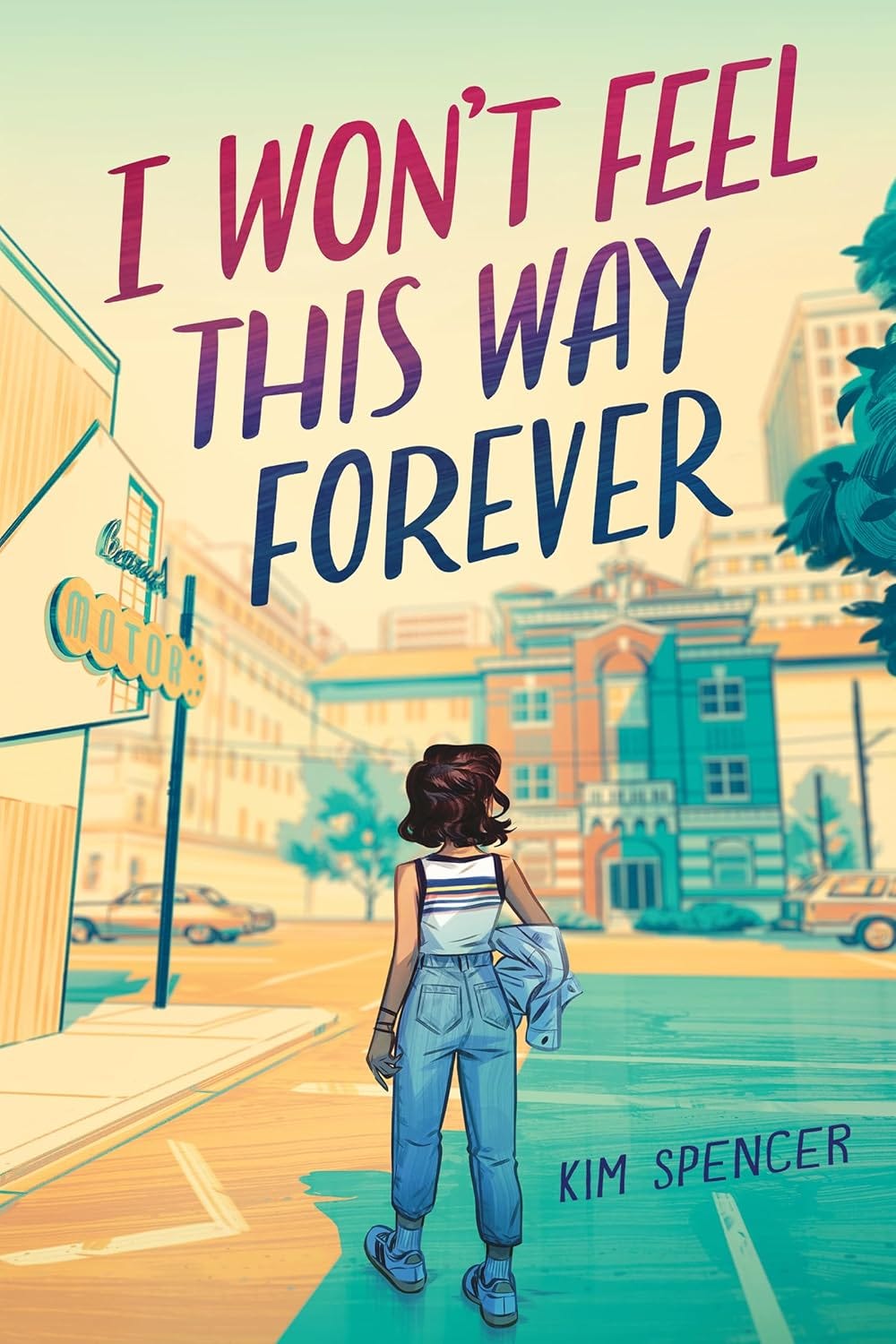
Growing up, Anne of Green Gables and Little House on the Prairie were essential reading for girls in the Pacific Northwest. These series were to shape our perceptions of childhood, our inner goals and development, and our relationships to environment (society/town/nature). But apart from some beautiful descriptive phrases in English, these series lacked more than they offered. Half the content was unfamiliar or not relevant, but we gleaned some small sense of ourselves in the spirit of the land or characters. If we exercised our imaginations like Anne, we could make-believe ourselves into being, in the same way industrialism could make-believe a country out of a colony.
Now, after more than a century of existing off pretenses and heroism, the girls of the Americas have been gifted a heartwarming, down-to-earth character, whose Tsimshian charm and familiarity hugs everything inside you and makes you just want to be you and nothing but you so help you God (or Grandma).
Amelia (Mia) has integrity, but not the moralistic, holier-than-thou, pretentious kind. It’s the kind of integrity built from having a family you love, a strong person that looks out for you, a place you can call home, and a culture that surrounds you. Anne had to get familiar with her environment and become someone among strangers. With Mia, the familiarity is built in and reading about her is like being welcomed in to someone’s home and receiving a hug and big plate of food, even though you’re a stranger. You immediately recognize the air of honest hospitality, and if you happen to be from the Pacific Northwest, you recognize so much more.
Never-ending rain. Check.
Oceans. Check.
Salmon. Check.
Wildlife. Check.
Feral childhood, hanging around on docks. Check.
Evangelists and television shows. Check. Check.
Greyhound buses, eighteen-hour journeys, cramped car rides to Vancouver, boring programs on CBC radio. Check, check, check, check.
What wasn’t familiar, I really enjoyed learning about, like Tsimshian ceremonies and beliefs regarding death and grief, their Sm’algyax language, and how to prepare certain foods.
Some Sm’algyax words from the book: ya’as=grandfather, dzi’is=grandmother, asgyaabax=chatterbox, dzoox=shy. Vocabulary is introduced in a really smooth way, keeping you within the flow of the story. Kim Spencer is a master at pacing for Middle Grade readers. Past, present, and future flow well into one stream.
Although the novel deals with difficult themes, like the death of Mia’s grandmother, the book isn’t sad. Comic relief sweeps in when topics get too heavy. Even in the saddest parts of the story, there were moments that the author had me laughing out loud in some recognition of my own grandmother or family members. Like when Mia recalls things she’ll miss about her grandmother and among all the tender, vulnerable things, she mentions “arguing over the expensive toilet paper or the no-name brand.” Or when Mia compares her bike accident to a yard sale in the middle of the road. Comedy consistently relieves the pressure for young readers, offering them a set of instincts for how to deal with challenges.
The book’s closing reflections on grief are structured on the weight of everything Mia’s grandmother does for her and the family before sickness and passing. Although she’s in her 70s and a survivor of colonial griefs and agonies, Mia’s grandmother is always working, serving, laughing, talking, providing, and travelling.
“Native people’s lives are different from the lives of non-Natives. Our reality is much more challenging. Painful. We have to be physically and emotionally stronger. We can’t let things get to us. I don’t know why it is this way. But it is. We are expected to walk through life like some kind of wonder woman.”
I Won’t Feel This Way Forever is a serial of Weird Rules to Follow, which focuses on Mia’s childhood bestfriend, Lara, and the cultural rules surrounding race that drive a wedge between them. With the second book being mostly about Amelia’s grandmother, some readers may wonder what connects these two books in theme. I think the loss of a bestfriend in book one is superseded by the loss of a beloved family member in book two. One loss replaces the other, leading the main character to important realizations about who she is and whom she should allow to take space in her heart.
“After losing Grandma, nothing matters. Lara is nobody to me. Same as her friends. Fake, fleeting people don’t matter. Ashamed? For what? Who cares what they think? Who the hell are they?”
The brevity of each novel leaves you wanting more. Having developed a stronger sense of self, will Mia gain the courage to join the basketball team and outshine Lara and her obnoxious new friends? Will we get some front row tickets to Prince Rupert’s indigenous basketball scene? I hope Kim Spencer and Orca Book Publishers will continue this series, offering Middle Grade readers a down-to-earth, resilient female character, who is definitely the cool girl next door by virtue of being true to herself.
Further learning:
On the topic of indigenous superheroes and colonial violence, please pick up a copy of Mohammed Al Kurd’s Perfect Victims. The genocide of Palestinians has produced ever-more-impossible emotional standards for human beings to live up to when confronted with full-scale multinational industrial assaults on their populations. This point was roughly sketched into an original version of this review as I considered the “wonder woman” qualities of Mia’s indigenous grandmother. I’ve moved the connection here for specificity and also link to his important work.
https://www.haymarketbooks.org/books/2499-perfect-victims
Learn Sm’algyax vocabulary and pronunciation here:
https://www.smalgyax.ca/sound-files